

Guide · Matcha
What does matcha taste like, hot, iced and with fruit?
Matcha tastes grassy and gently bitter, with a savoury-sweet depth often called umami. Milk softens it, ice brightens it and fruit sweetens it. At The Nirvana Cafe in northeast Mississauga, iced matcha drinks are $10.99 for 16 oz and a hot matcha latte is $7.99.
Fresh-cut grass, a little sweetness, a little bitterness, and a finish that lingers.
Matcha is green tea in powder form: shade-grown leaves, steamed, dried and stone-ground, then whisked into water or milk. Because you drink the whole leaf rather than an infusion, it tastes fuller and greener than a cup of brewed green tea. This guide explains what to expect from the first sip, how temperature and fruit change it, and how to choose a first drink. It is one of several guides to ordering well.
The taste, sip by sip
Most people first notice a fresh, green flavour, often compared with cut grass, spinach or a hint of seaweed. Behind it sits a mild bitterness, closer to dark chocolate than to burnt coffee, and a brothy roundness that tea makers call umami. The aftertaste lasts a while and is often faintly sweet.
Quality shifts the balance. Higher grades, made from younger leaves, tend to be brighter green, sweeter and less bitter. Lower grades are more astringent and are usually blended with milk and sugar, where that edge is useful. Preparation matters too: water that is too hot, or powder that isn't whisked smooth, makes any matcha taste harsher.
Texture and colour
Because the powder is suspended rather than dissolved, matcha has more body than brewed tea. Well whisked, it is smooth with a soft froth; poorly mixed, it feels chalky or leaves a fine silt in the cup. With iced drinks the powder slowly settles, so give it a stir between sips.
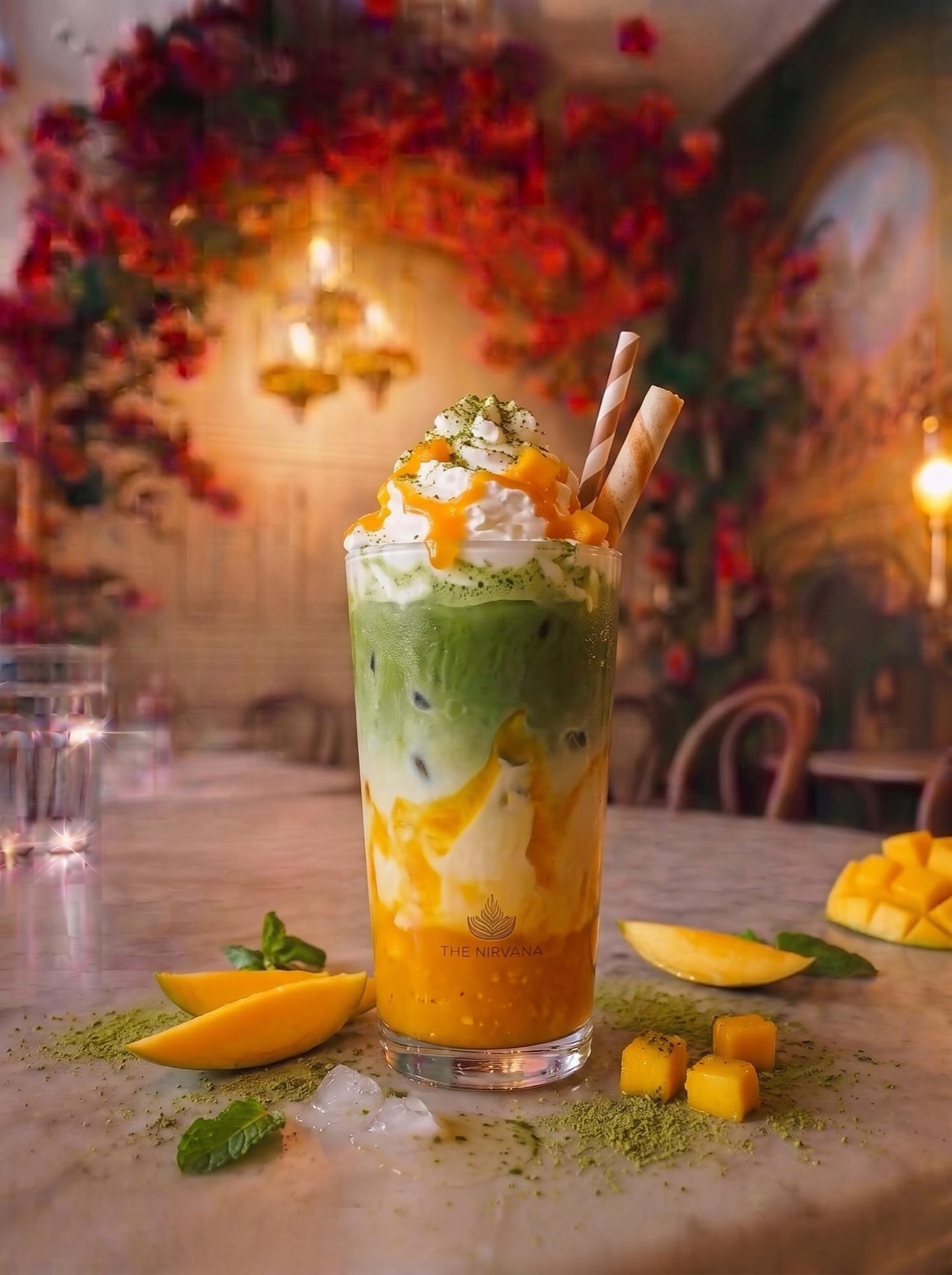
Colour is a useful clue. A vivid jade green usually means fresher, better matcha; a dull olive or yellowish tone suggests older powder or a cooking grade. In a layered drink the green sits over the milk or fruit until you mix it.
Caffeine, in plain terms
Matcha contains caffeine because it is made from tea leaves, and since you consume the whole leaf, a cup carries more than ordinary green tea. A typical matcha latte usually has less caffeine than a similar-sized coffee, but the amount depends on how much powder goes in, so treat any number you read as a rough guide.
Many drinkers describe the lift as steadier than coffee's. Tea contains an amino acid called L-theanine, which is often credited for that, though the research is still debated. If you are sensitive to caffeine, count matcha as a caffeinated drink.
Hot or iced: what changes
Temperature changes what you taste. Served hot, the aroma is stronger and the grassy, toasty notes come forward, while steamed milk makes the whole cup round and soft. A hot matcha latte is the closest you will get to the tea itself with milk.
Cold mutes both bitterness and sweetness, so iced matcha reads cleaner and more refreshing. That is why iced drinks are where fruit and foam come in: they add back the contrast that cold takes away. At The Nirvana Cafe the menu describes premium Japanese matcha, whisked into whole, oat or almond milk; the hot latte is $7.99 for 12 oz and the iced drinks are $10.99 for 16 oz.
How fruit layers change matcha
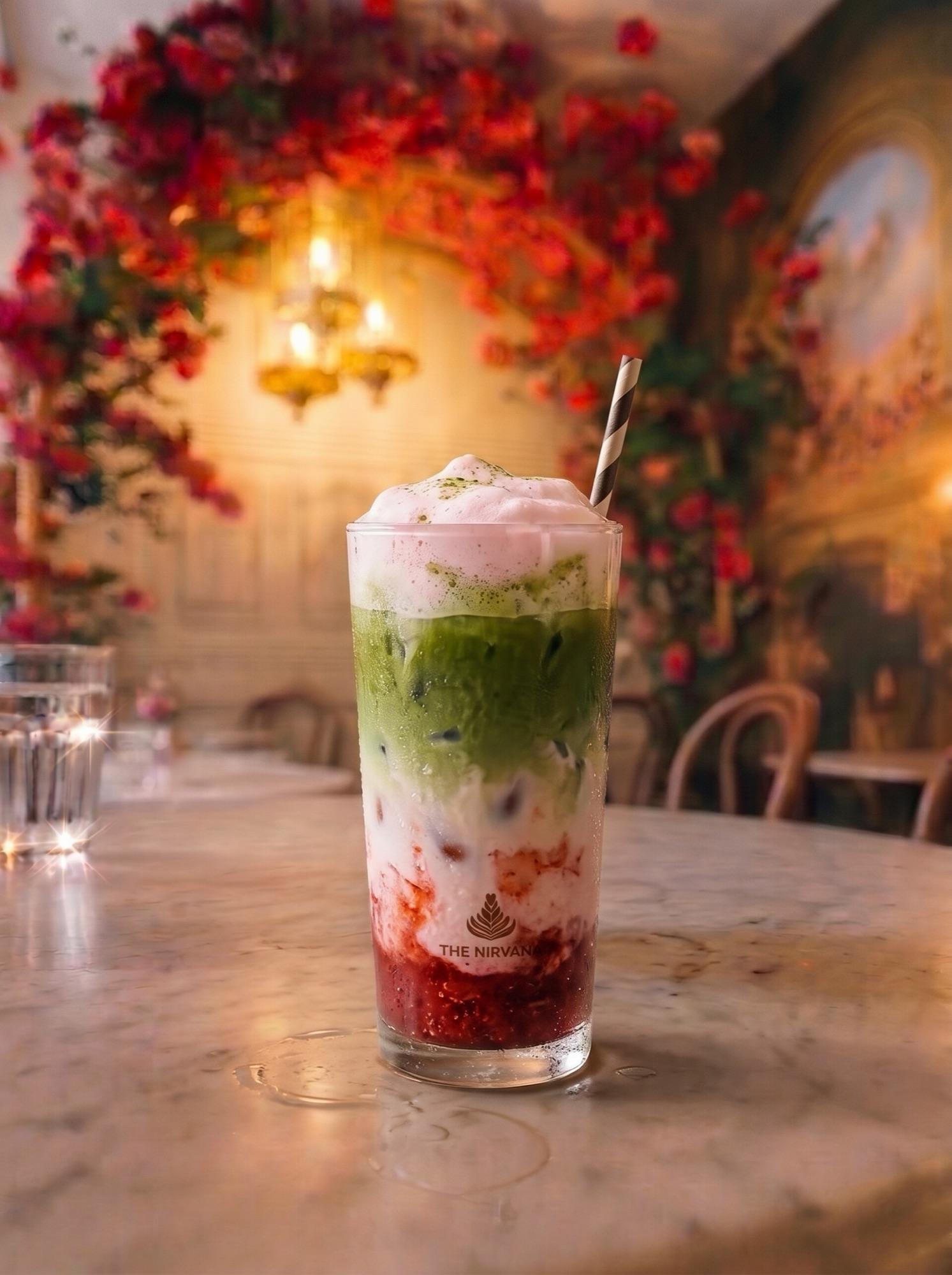
Fruit works with matcha because it supplies what the tea lacks: sweetness and a little acidity. Strawberry adds a jammy brightness that softens the bitter edge. Mango is rounder and more tropical, and its sweetness carries a newcomer through the green. Lavender is different again: floral rather than fruity, it echoes matcha's herbal side instead of covering it.
Layered drinks also change as you go. Sip without stirring and each layer arrives on its own; stir and you get one blended flavour, so try a few sips each way. Coconut is the lightest partner of all: matcha foam over coconut water drinks more like a refresher than a latte.
Choosing your first matcha
All of these are on the matcha corner at The Nirvana Cafe, and the cold ones sit on the iced coffee menu too.
New to matcha? Start with fruit
Iced Mango Matcha or Iced Strawberry Matcha. The fruit eases you in, and you can taste the green on its own as the layers mix.
Like floral flavours?
Iced Lavender Matcha keeps matcha and cold milk and adds a soft lavender note. It is less sweet than the fruit drinks.
Want to taste the tea?
Order the hot matcha latte ($7.99). Oat milk gives a softer, slightly toasty finish; whole milk is the creamiest.
Want something light?
The Matcha Coconut Cloud swaps milk for coconut water, with matcha cold foam on top.
Want it as a treat?
Cloud Matcha, one of the house signature drinks, adds coconut and a cloud of whipped cream.
Matcha at Nirvana, by taste
Iced drinks are 16 oz; the hot latte is 12 oz.
- Iced Mango Matcha$10.99Matcha layered with sweet mango over ice and milk.
- Iced Strawberry Matcha$10.99Matcha and strawberry cold foam over ice and milk.
- Iced Lavender Matcha$10.99Matcha and cold milk with a soft, floral note of lavender.
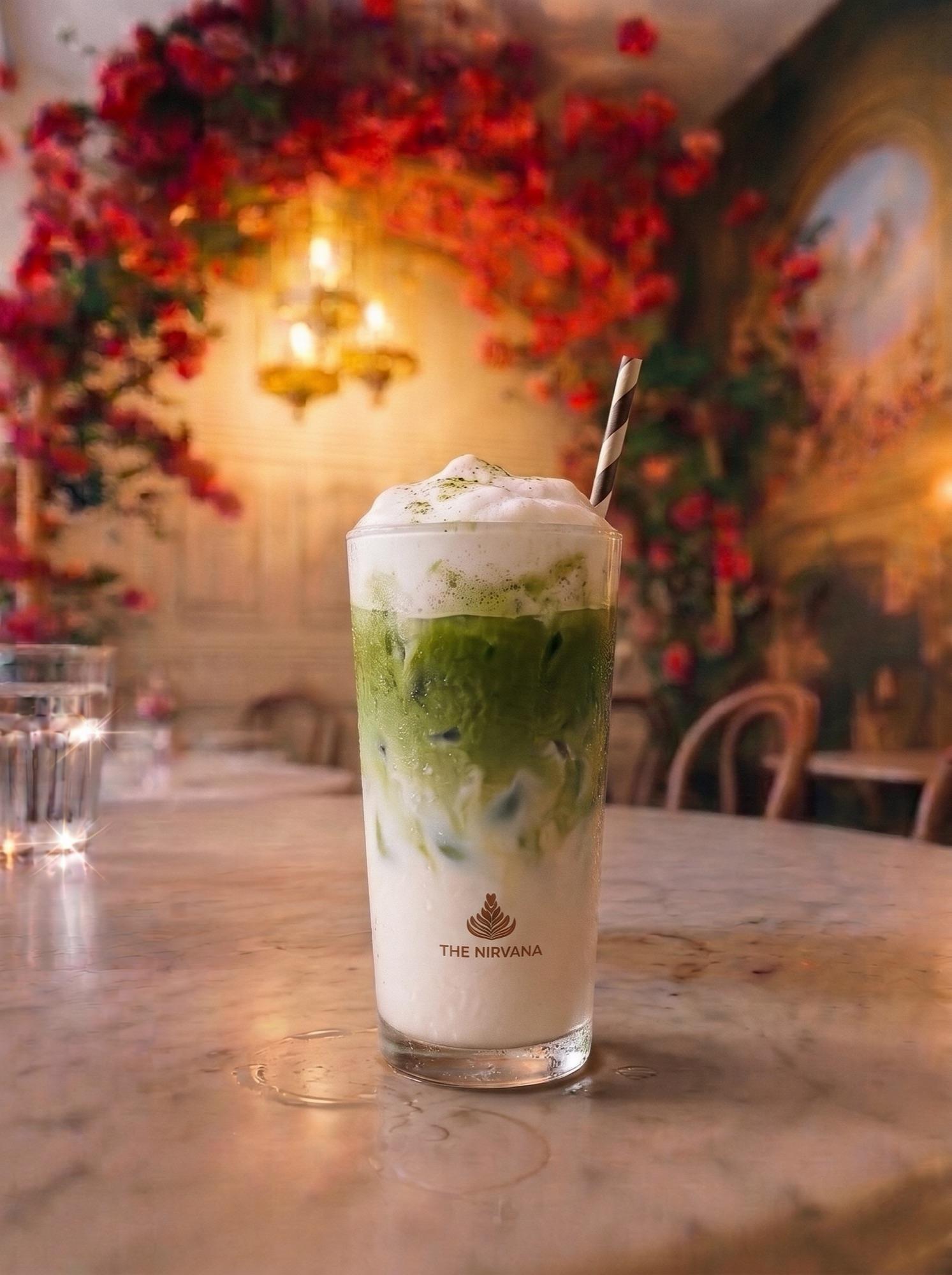 Matcha Coconut Cloud$10.99Coconut water over ice, crowned with matcha cold foam.
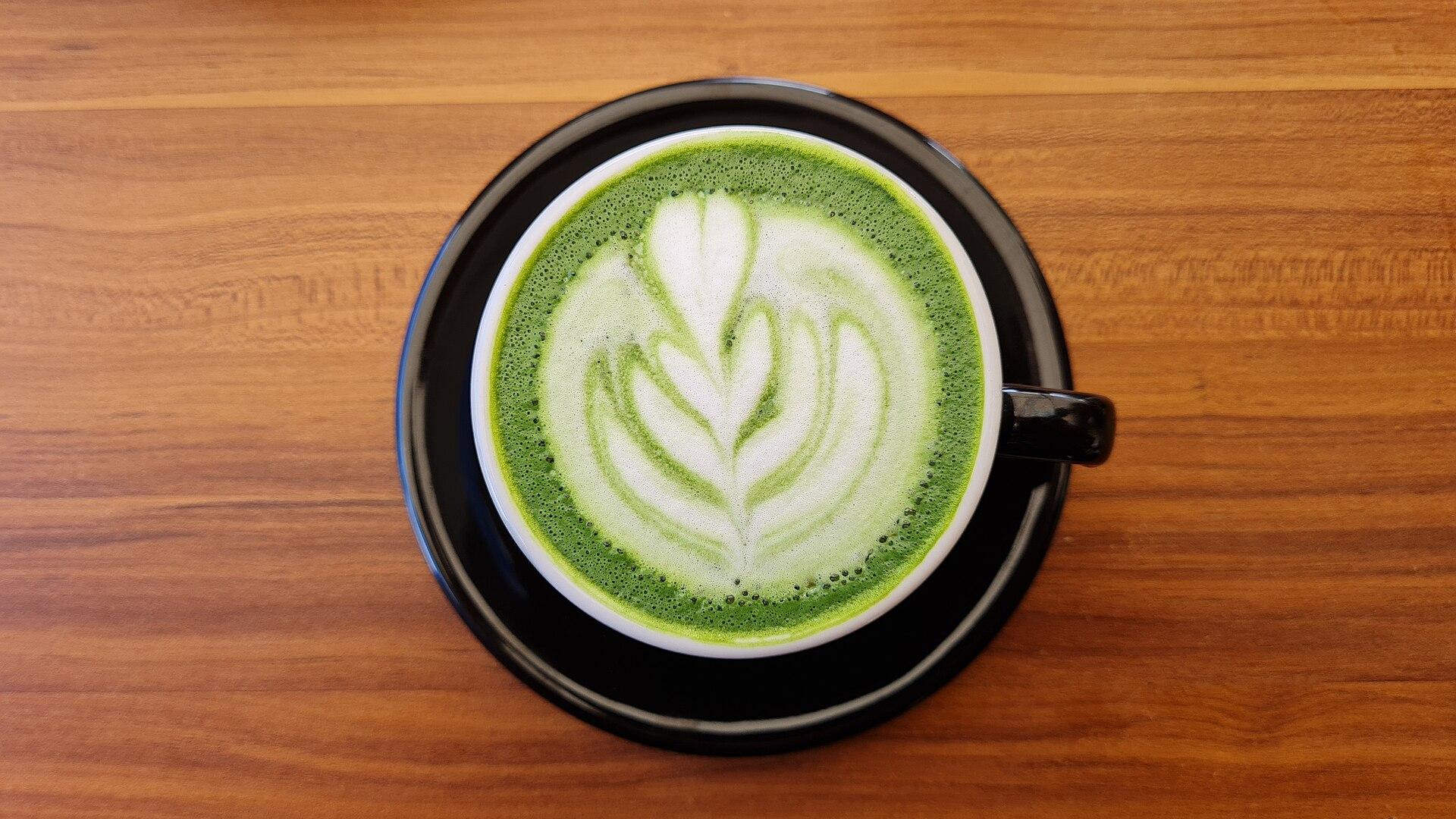 Matcha$7.99Premium Japanese matcha whisked into your choice of steamed milk.
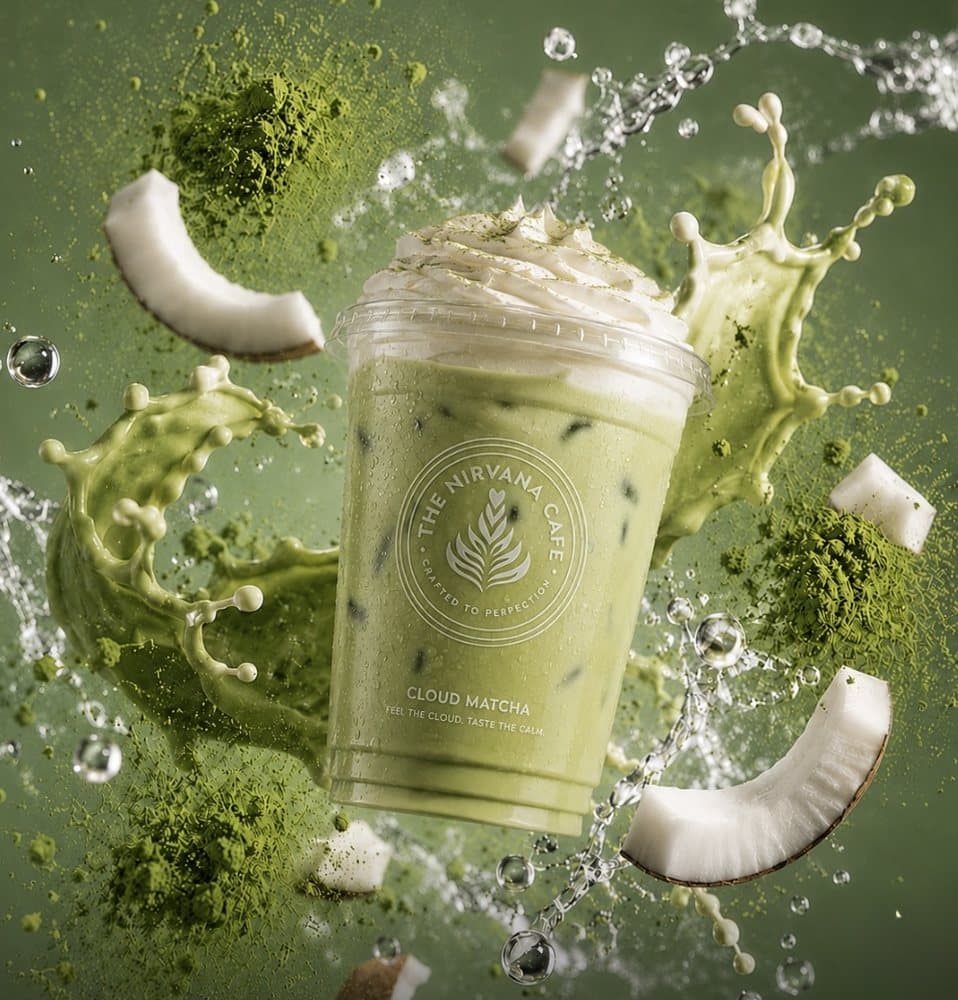 Cloud MatchaBright, creamy iced matcha with a hint of coconut under a soft cloud of whipped cream.
Prices in CAD and subject to change. Order at the counter.
Questions
Why does matcha sometimes taste bitter?
Usually one of three things: water that is too hot, too much powder for the liquid, or a lower grade of matcha. Boiling water scorches the powder and draws out bitterness, so tea makers use water well below a boil. Whisking until smooth also helps. In a café drink, milk and a little sweetness soften any edge that remains.
Is matcha naturally sweet?
Not really. Pure matcha has a faint natural sweetness in the aftertaste, more so in higher grades, but its main notes are grassy and slightly bitter. Most café matcha drinks are sweetened or get their sweetness from fruit such as mango or strawberry. If you would like yours less sweet, ask when you order.
Does matcha taste like regular green tea?
It is related but stronger. Ordinary green tea is an infusion: leaves steeped and then removed. With matcha you drink the powdered leaf itself, so the flavour is fuller, greener and more savoury, and the texture is thicker. People who find bagged green tea thin or astringent often prefer matcha, especially made with milk.
Is iced or hot matcha better for beginners?
Iced, for most people. Cold mutes bitterness, and iced drinks often include fruit or foam that make the first sips easier. A hot matcha latte shows more of the tea's own character, which is lovely once you know you like it. A good plan is an iced fruit matcha first, then a hot latte on a later visit.
What is the difference between ceremonial and culinary matcha?
They are informal grades rather than official standards. Ceremonial usually means the youngest, finest leaves, made for whisking with water alone; it is sweeter and less bitter. Culinary grade is stronger and more astringent, made for baking and blending with milk. Many lattes use something in between. Labels vary by brand, so read them as a rough guide.
Try it hot or iced
Walk in and order at the counter, or book a table and bring someone who has never tried matcha.
1119 Derry Rd E, Mississauga · Open daily from 10 AM